Outpatient Hysteroscopy
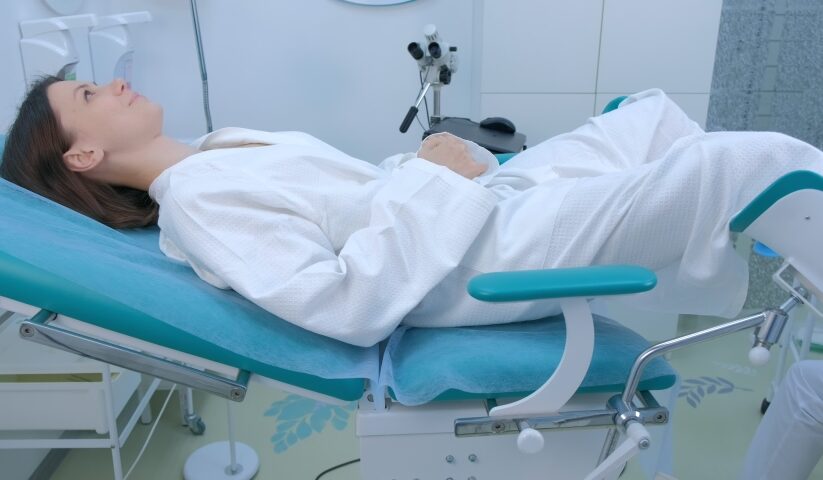
Hysteroscope is a telescope used to visualize the inside of the uterus called the endometrium. They come in various sizes. It is now apparent that modern, slim, flexible, disposable or mini guided hysteroscopes are gynecologist stethoscopes. Hysteroscopy can be done as an outpatient procedure to visualize the inside of the uterus. Like the stethoscope that has many uses including absorption of heart sounds, listening of interior
of bowel sounds, hearing the roar of arterial blood flow, while monitoring the blood pressure, our hysteroscope serves mainly to evaluate uterine health and allow tackling those problems in the same setting. Hysteroscopy can be performed for diagnostic or therapeutic indications.
In 1805, Bozzin’s, a curious endoscopist, used a rigid scope to look inside the urethra. This marked the first recorded endoscopy procedure. He was censored for undue curiosity and the procedure fell into disfavor.
Decades later, in 1850, pantaleoni utilized a 12mm rigid hysteroscope to evaluate a woman with post-menopausal bleeding and was audited with performing the first hysteroscopic procedure. The development of hysteroscopy has provided a minimally invasive approach to diagnosis and treatment of numerous intrauterine gynecologic problems. Ideally hysteroscopy should be coupled with endometrial biopsy (when global disease is present). Hysteroscopy avoids the risk of missing focal pathology, as may occur with non-directed endometrial sampling.
Hysteroscopy is an integral component in the office, to evaluate abnormal uterine bleeding. It should be utilized in any clinical situation where direct inspection of the uterine cavity will improve diagnostic accuracy, increase the sensitivity in detecting endometrial disease, or enhance surgical decision making and provide minimally invasive treatment options for the patient. The indication for office or outpatient hysteroscopy are for infertility evaluation, abnormal uterine bleeding, localisation of foreign body, evaluation of endocervix (mouth of uterus), evaluation of thick endometrium(inside of the uterus), persistent white discharge, persistent bleeding following cesarean section, evaluation of abnormal uterine bleeding. Two centuries have elapsed since hysteroscopy was invented. It is much more comfortable now than then and can be performed in the office. Our hysteroscopes are smaller, sleeker, flexible, and affordable and have excellent optical camera and video attachments that permit documentation of medical records. The main advantage of office or outpatient hysteroscopy is it does not require hospitalization, no anaesthesia is required and patients can walk in, get the procedure done and walk out.